

Bed bugs are stressful in any home, but apartments and multi-family housing can make the problem even more complicated. Shared walls, neighboring units, common laundry areas, and tenant turnover can all increase the risk of bed bugs spreading.
Whether you are a tenant, landlord, property manager, or maintenance team member, fast action matters.
Here is what to know about bed bugs in apartments and multi-family buildings.
Why Bed Bugs Are a Serious Concern in Apartments
Bed bugs are hitchhiking pests. They can enter a building through luggage, clothing, used furniture, visitors, moving boxes, or personal belongings.
Once inside, they may spread from one unit to another. They can move through cracks, shared walls, hallways, laundry rooms, and furniture movement. If one unit has activity, nearby units may need to be inspected as well.
This is why apartment bed bug issues should be handled quickly and professionally.
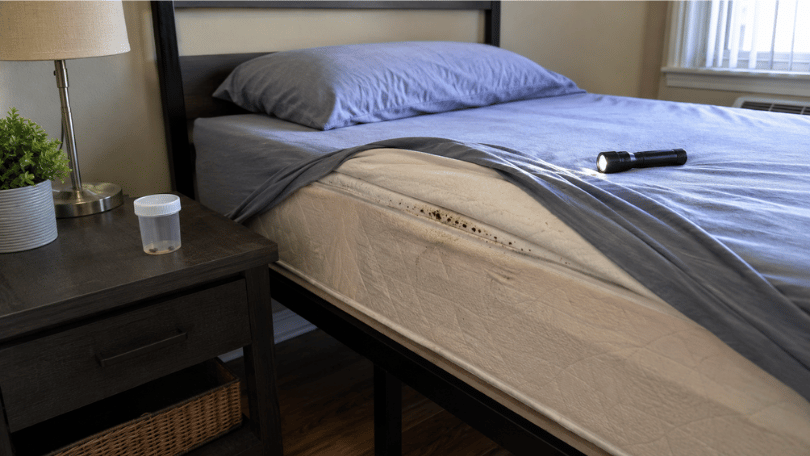
Signs Tenants Should Report Immediately
Tenants should report possible bed bug activity as soon as they notice it. Common signs include:
- Live bugs
- Blood spots on sheets
- Dark stains on mattress seams
- Shed skins
- Tiny eggs
- Unexplained bites
- Bugs in couches or recliners
- Activity after travel or used furniture
Tenants should not feel embarrassed. Bed bugs are not caused by poor housekeeping. They can happen in clean homes, hotels, apartments, and commercial properties.
What Tenants Should Not Do
Tenants should avoid actions that may spread the infestation. Do not drag mattresses, couches, or furniture through the building. Do not move into another room to sleep. Do not use foggers or heavy DIY sprays before reporting the issue.
Spraying without professional guidance can scatter bed bugs and make the infestation harder to control.
The best step is to contain the area, document signs, and notify property management right away.
What Property Managers Should Do First
Property managers should respond quickly and professionally. The first step is to arrange an inspection to confirm whether bed bugs are present.
Depending on the situation, inspection may involve the affected unit, neighboring units, common areas, or units above and below. Canine detection may be useful when the source is unclear or when multiple units need to be evaluated efficiently.
Fast inspection helps prevent unnecessary panic and helps determine the right treatment plan.
Communication Matters
Clear communication between tenants and property managers is essential. Tenants need to know what to do, what not to do, how to prepare, and what to expect.
Property managers should avoid blaming tenants. Bed bugs can enter a building in many ways. A calm, professional response helps tenants cooperate and reduces the risk of the problem spreading.
Why DIY Treatment Is Risky in Apartments
DIY sprays and foggers are especially risky in multi-family buildings. If bed bugs are disturbed, they may move deeper into walls or neighboring areas. That can turn one unit’s issue into a larger building concern.
Professional treatment is safer, more organized, and more effective.
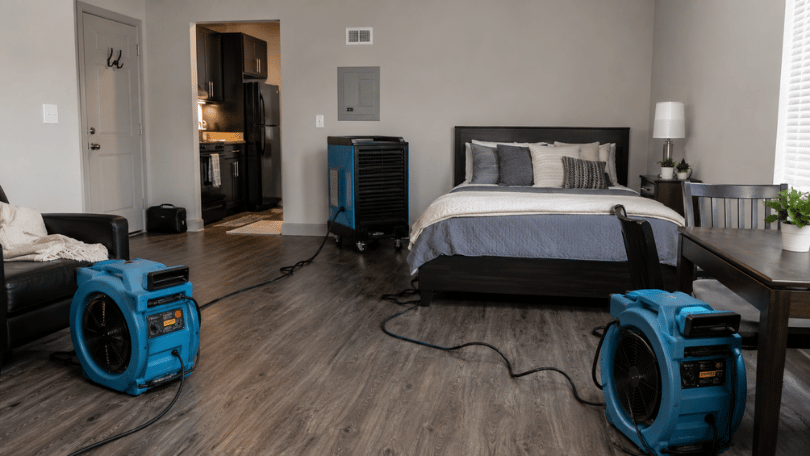
Heat Treatment for Apartment Bed Bugs
Professional heat treatment can be a strong option for apartment infestations because it is designed to eliminate bed bugs at all life stages. It can treat hidden areas where bed bugs may be living, including furniture, cracks, and sleeping spaces.
Each apartment situation is different, so an inspection is important before deciding on treatment.
Preventing Future Apartment Infestations
Tenants and property managers can reduce risk by following best practices:
- Inspect used furniture before bringing it inside.
- Use caution after travel.
- Report signs early.
- Avoid moving infested furniture through hallways.
- Keep units uncluttered enough for inspection and treatment.
- Provide clear preparation instructions before service.
- Consider inspection after tenant turnover when risk is suspected.
Prevention and early reporting are much easier than dealing with a widespread infestation.
Apartment Bed Bug Issue?
Act quickly, avoid moving furniture, document signs, and arrange a professional inspection.
Request HelpFor Property Managers
Respond quickly, communicate clearly, and schedule inspection for affected and nearby areas when needed.
Commercial and Multi-Family Bed Bug Support
Allphase Exterminators provides bed bug inspections, canine detection, and heat treatment for homes, apartments, multi-family housing, and commercial properties. Our team understands the need for discretion, speed, and effective results.
If you manage a property or suspect bed bugs in an apartment, contact Allphase Exterminators for a confidential inspection.