

Finding one bed bug can make anyone panic. It is small, unsettling, and immediately raises the question every homeowner fears: “Are there more?”
The honest answer is that one bed bug does not always prove a full infestation, but it should always be taken seriously. Bed bugs are rarely alone for long, and because they are so good at hiding, the one you found may only be the most visible sign of a larger problem.
Here is what to do next.
Do Not Crush and Throw It Away
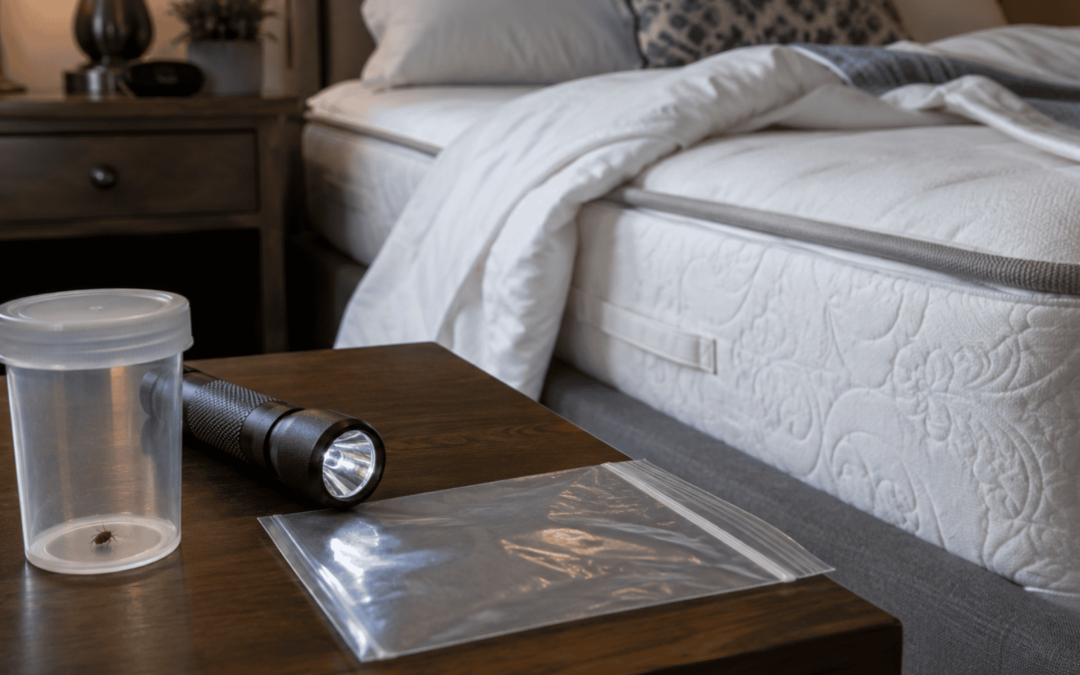
If possible, save the bug. Place it in a sealed plastic bag, small container, or piece of tape. This allows a professional to confirm whether it is actually a bed bug.
Many insects are mistaken for bed bugs, including carpet beetles, bat bugs, fleas, ticks, and small household beetles. Correct identification matters because the treatment plan depends on the pest.
If you have already disposed of it, take a clear photo if possible. A close-up image can sometimes help with identification.
Inspect the Area Where You Found It
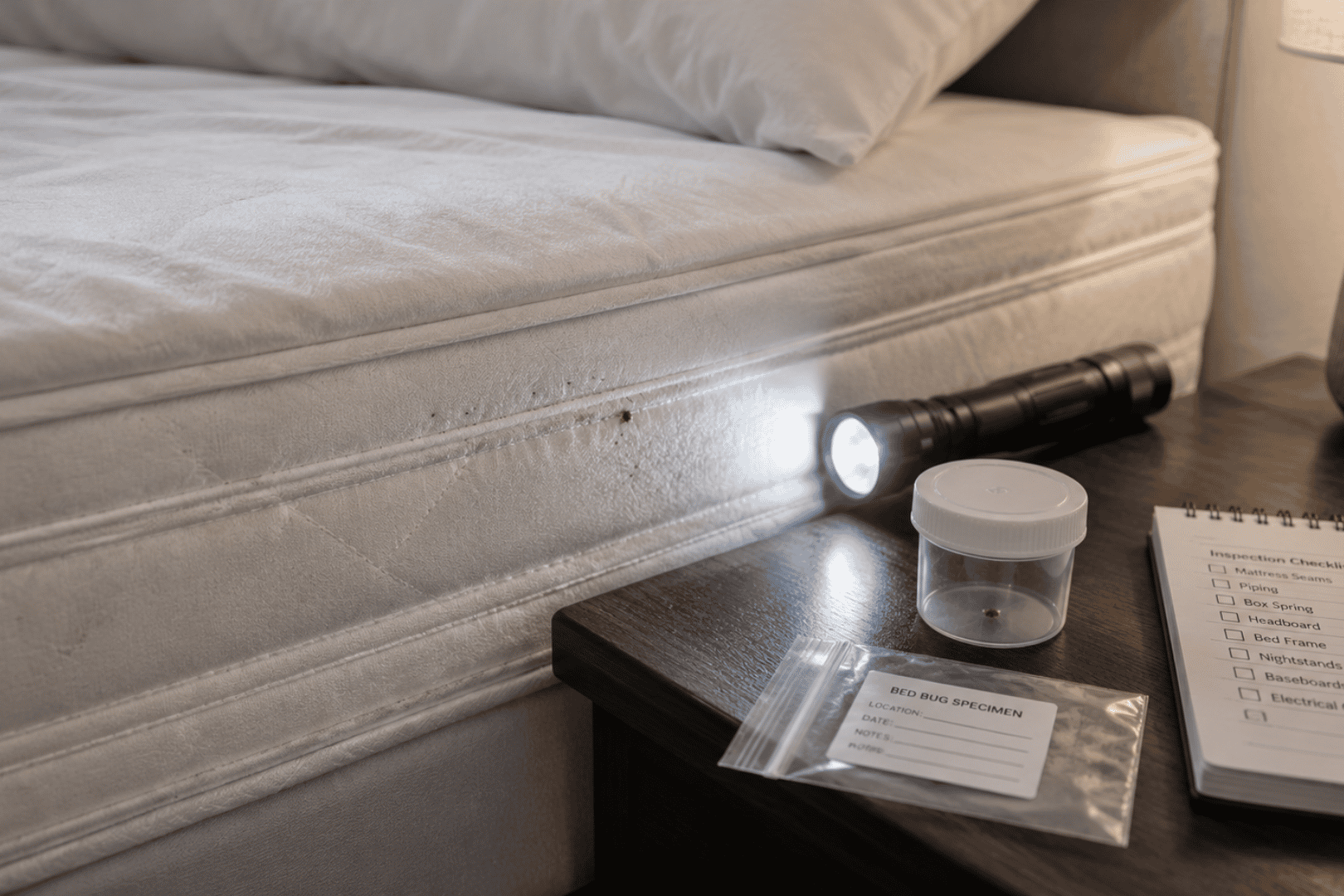
Start by looking carefully around the area where the bug was found. If it was on the bed, inspect the mattress seams, box spring, bed frame, headboard, sheets, pillowcases, and nearby furniture.
If it was on a couch or recliner, check seams, cushions, fabric folds, underside areas, and nearby baseboards.
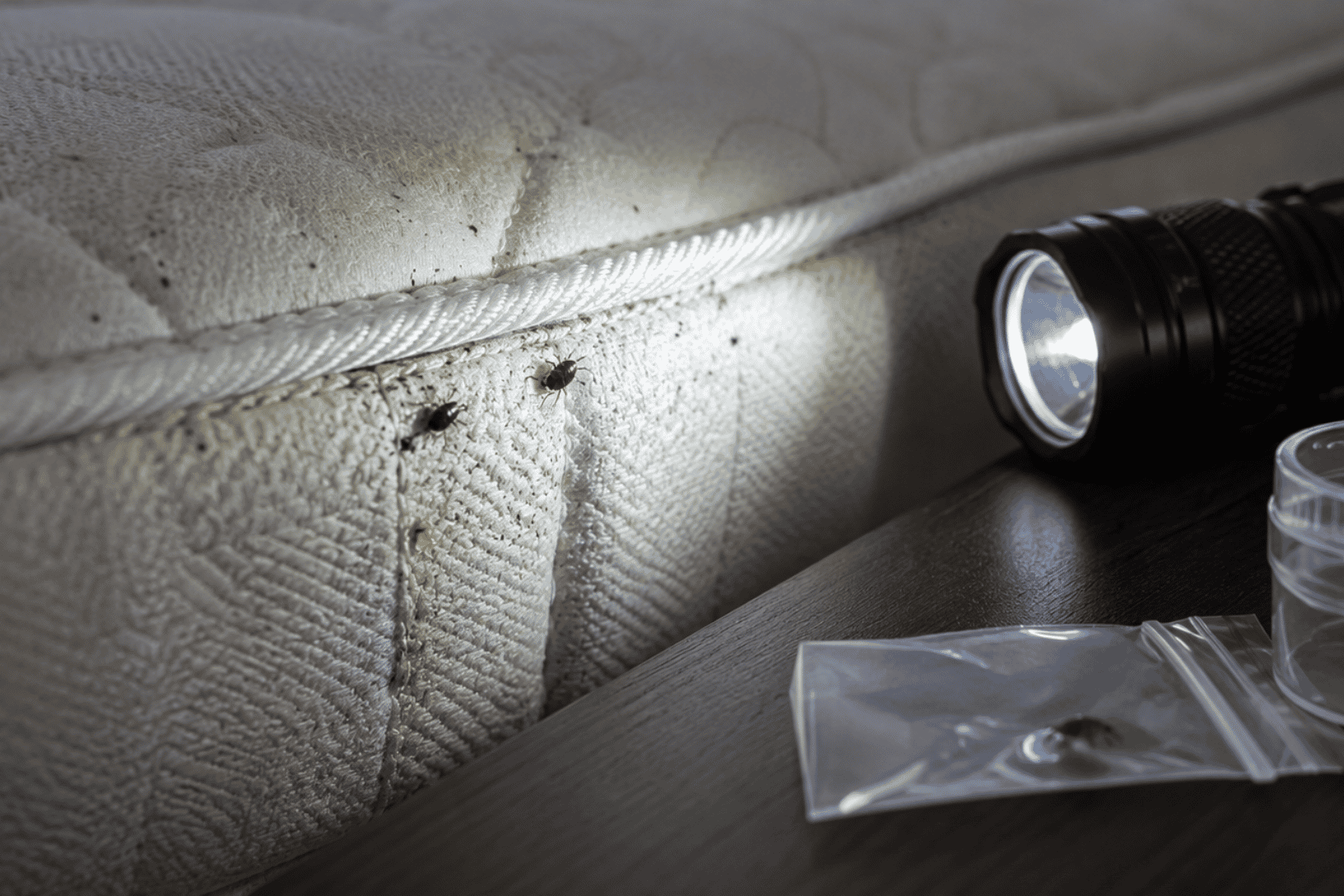
Use a flashlight and move slowly. You are looking for live bugs, dark stains, reddish marks, shed skins, tiny eggs, or small clusters of debris in cracks and seams.
Do Not Start Spraying
This is one of the most important steps. Do not immediately apply store-bought sprays, foggers, alcohol, essential oils, or other DIY treatments.
Spraying can cause bed bugs to scatter into deeper hiding places. It may also make professional inspection more difficult. Some products can create health or safety risks when misused.
If you found one bed bug, the best move is to identify and inspect before treating.
Avoid Moving Furniture or Bedding Around the House
Do not drag your mattress to another room. Do not move the couch to the garage. Do not carry bedding through the home unless it is bagged and handled carefully.
Moving items can spread bed bugs to other parts of the home. Keep the situation as contained as possible until a professional inspection is completed.
If bedding needs to be washed, place it directly into a sealed bag before transporting it to the laundry area. Use hot wash and dry cycles when appropriate.
Think About Recent Risk Factors
Bed bugs often enter homes by hitchhiking. Ask yourself whether any of these apply:
- Did you recently travel or stay in a hotel?
- Did a guest stay overnight?
- Did you have an overnight stay in a hospital?
- Did you bring in used furniture, clothing, or mattresses?
- Do you live in an apartment, condo, or multi-family building?
- Did you recently move?
- Has anyone in the home noticed bites or itchy marks?
These clues can help determine where the bug may have come from and how far the problem may have spread.
Check More Than the Mattress
Despite the name, bed bugs do not only live in beds. They can hide in couches, recliners, curtains, luggage, clothing piles, books, electronics, baseboards, and small cracks near sleeping or resting areas.
If you only inspect the mattress, you may miss the real hiding place. This is why professional visual inspections and canine detection can be so valuable.
One visible bed bug may only be the easiest one to spot.
Bed bugs are excellent at hiding. A professional inspection helps determine whether the bug was isolated or part of a larger issue.
When One Bed Bug May Be a Bigger Problem
One bed bug should be treated as a warning sign if you also notice:
- Multiple bites
- Blood spots on bedding
- Dark stains on mattress seams
- Shed skins
- A musty odor
- Additional bugs
- Recent travel or used furniture
- Activity in more than one room
The more signs you see, the more urgent the situation becomes.
Why Professional Inspection Matters
A trained bed bug professional knows where to look, what evidence matters, and how to determine whether treatment is needed. Allphase Exterminators offer professional visual inspection and canine bed bug detection to help homeowners confirm activity quickly and accurately.
Canine detection can be especially helpful when bed bugs are hidden, when the infestation is early, or when peace of mind is important.
Do Not Wait Too Long
Waiting can allow bed bugs to reproduce and spread. Even if you are not sure whether the bug you found is a bed bug, it is better to have confirmation early than to ignore it.
An early inspection can save time, stress, and money.
Call Allphase Exterminators After Finding a Bed Bug
If you found one bed bug, Allphase Exterminators can help you determine the next step. Our team provides confidential bed bug inspections, canine detection, and professional heat treatment designed to eliminate bed bugs safely and effectively.
Do not panic, and do not spray. Save the bug if you can, keep the area contained, and contact Allphase Exterminators for help.